How to plan a casual bike ride around a picnic stop
· Editorial team detroitnewsdaily7.com
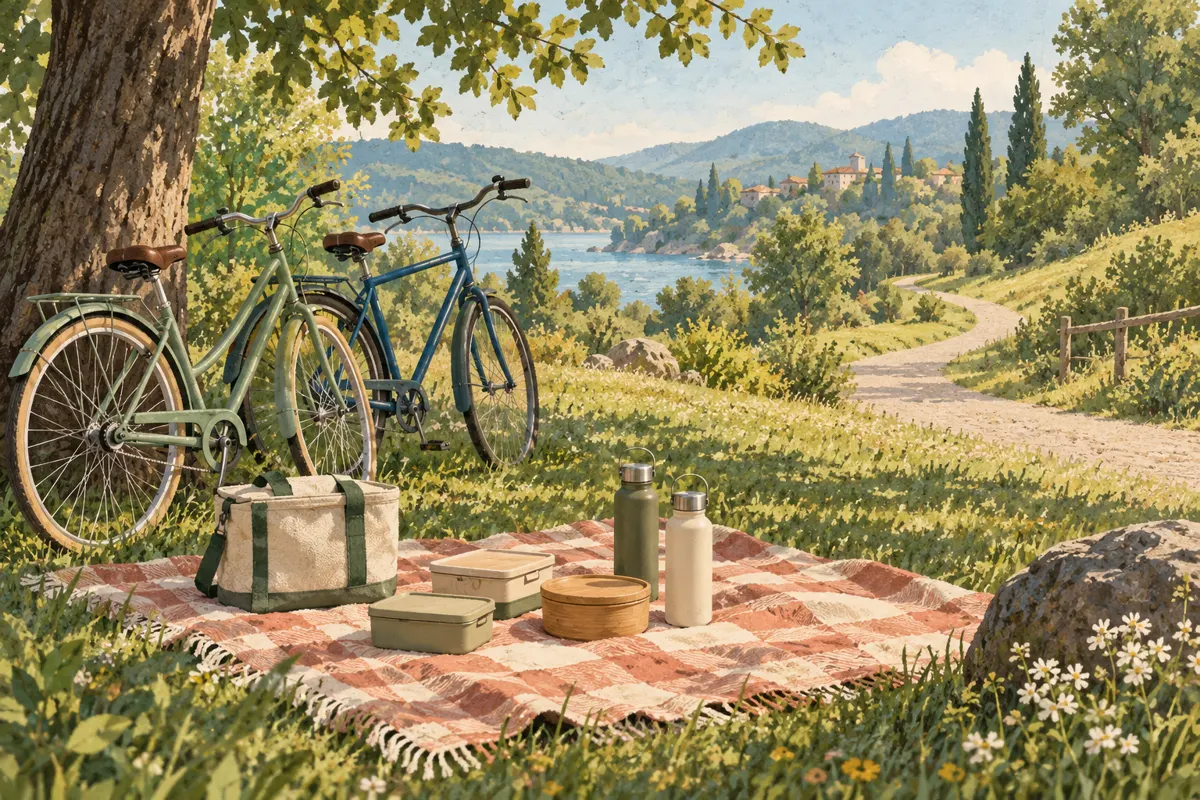
Choose a picnic spot everyone can comfortably reach, then plan both the ride there and the return trip. Favor paths and quieter streets, check hills and crossings, and leave time to eat without rushing. Pack food securely, bring water for the whole outing, and decide where you will park the bikes before setting off.
Choose a distance that suits the whole group
Start by asking your friends how far they feel comfortable riding and what surfaces they prefer. Base the outing on the person who wants the shortest or easiest ride. Count the full return distance: a picnic destination that sounds nearby can still leave a tiring journey home.
An out-and-back route makes it easier to shorten the ride by turning around sooner. A loop offers variety, but check that its final stretch is as manageable as its beginning. Look at elevation as well as distance, and avoid adding a demanding climb after lunch.
Suggested outing structure: ride to a nearby picnic spot, take an unhurried break, then return directly. Make any extra riding an optional extension that the group agrees to at the stop. Allow time for crossings, regrouping and packing up, rather than treating a navigation estimate as the entire outing.
Check the route beyond the map line
A cycling map is a useful starting point, but a road marked as a bike route may still carry traffic that your group finds uncomfortable. Inspect unfamiliar sections and the connections between otherwise pleasant paths. One awkward intersection can matter more than several easy miles.
- Map the starting point, picnic stop and return route using cycling directions.
- Check street-level images for unfamiliar roads, lane endings and trail crossings. Look for quieter alternatives where needed.
- Review hills and surfaces so the route suits everyone’s bike and confidence.
- Ask riders familiar with the area about uncertain sections, or take a test ride beforehand if practical.
- Share the route and choose how to navigate. Keep a short written list of key turns as a backup.
Make the picnic stop work for bikes
Choose the stopping place for practical reasons as well as scenery. You need somewhere to sit, room to unload and a suitable place to secure the bikes. Check the destination’s visitor information for access hours and picnic rules; a trail through a property may only be accessible during its operating hours.
- Confirm that picnicking is allowed in the area you intend to use.
- Check for bike racks or another permitted place to lock the bikes.
- Look for seating or a suitable place for a blanket, with shade if available.
- Check restroom and drinking-water availability instead of assuming they exist.
- Choose a backup stop nearby in case the first location is crowded or inaccessible.
Keep parked bikes and picnic belongings clear of paths, entrances and seating needed by other visitors. Bring enough locks for the group’s parking arrangement.
Pack a picnic that travels neatly
The following packing ideas are editorial proposals: choose food that is easy to portion and carry, use containers with secure lids, and divide shared supplies among riders. Ask about dietary needs before assigning food so everyone has something they can eat.
- Pack sandwiches or wraps in firm containers to protect them from crushing.
- Separate dressings, dips and anything likely to leak.
- Use an insulated bag with cold packs for food that needs refrigeration.
- Carry water for the ride out, the picnic and the return; treat an unconfirmed refill point as unavailable.
- Bring a small blanket, napkins and only the utensils your menu requires.
- Leave space for leftovers and pack a bag for wrappers and other waste.
Secure bags to a suitable rack or carry them in a comfortable backpack. Keep straps clear of wheels and moving parts. Before departure, check that the load stays in place and does not interfere with steering or braking.
Agree on the ride and the return
Send one clear message with the meeting place, departure time, route, picnic location and who is bringing shared supplies. Agree to regroup after complicated crossings and before turns where someone could lose the route. Stop somewhere clear of traffic before checking directions.
- Check tires and brakes; bring helmets, locks, a charged phone and any repair supplies you know how to use.
- Check the forecast and bring suitable layers or change the plan.
- Before leaving the picnic, collect containers, leftovers and waste.
- Confirm everyone is ready for the return and use the shorter option if the group prefers.
Sources
- How to Plan a Fun Bike Route with Google Maps - Bike to Everything 🚲
- How to plan a bike route « Washington Area Bicyclist Association
- Cycling Route Planner | Elevation, Surface Types & GPS Sync | Ride with GPS
- Bike to the Garden | Chicago Botanic Garden
- The Ultimate Guide to Biking the Bow Valley Parkway in Banff National Park | Banff & Lake Louise Tourism
- Rides - GObike