How to organize reusable containers so lids stop going missing
· Editorial team detroitnewsdaily7.com
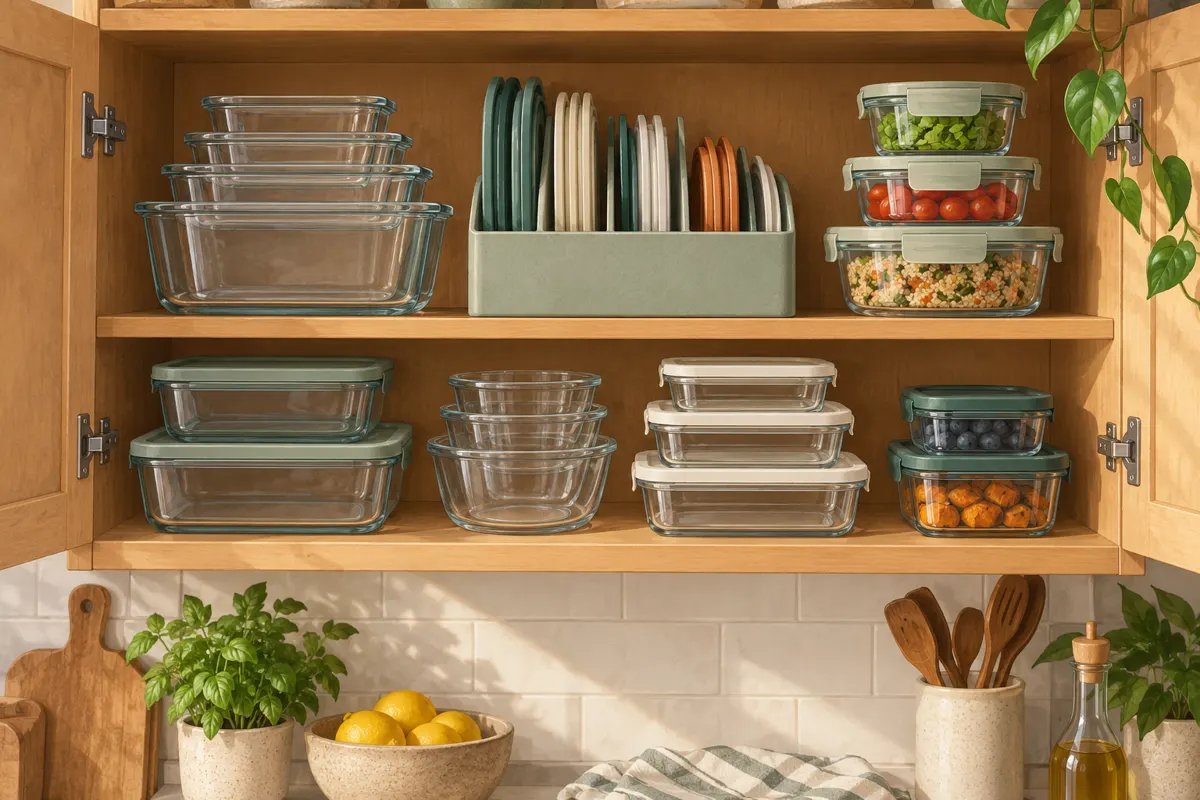
Match every reusable container with a lid, remove pieces you cannot use, and give the remaining pairs one clear home. Store complete containers with lids attached if space allows, or nest the bases beside a divided row of lids. The key is making the right lid easy to find—and just as easy to return.
Start by matching every container and lid
Empty the container cupboard or drawer onto a clear counter. Bring in pieces from the dishwasher, drying rack, lunch bags and other cupboards before deciding anything is missing. Work with the full collection instead of tidying around stacks that may contain unmatched pieces.
- Group bases by shape, then by size. Put all lids in a separate area where you can see them.
- Try each likely lid on its base. Check the fit all the way around and close any clips; a similar outline does not necessarily mean a match.
- Move confirmed pairs to one side, leaving unmatched pieces clearly separate.
- Count the complete containers you actually use for leftovers, packed lunches and other regular tasks.
When several lids look nearly identical, compare them side by side with their matched bases. Keep each family together during the next steps so you do not have to repeat the sorting.
Remove pieces that cannot do their job
An organized cupboard needs usable containers, not every container you have ever acquired. Set aside cracked bases, broken clips and lids that no longer fit properly. Remove those pieces from the food-storage collection rather than giving them space among working pairs.
- Keep complete pairs that suit the portions and meals you regularly store.
- Keep a spare lid only if you have confirmed which retained base it fits.
- Give an unmatched piece another specific use, such as holding small household items, only if you need it for that purpose.
- Check local disposal or recycling guidance before discarding unwanted pieces.
Editorial proposal: if you suspect a missing piece is still in circulation, keep a small temporary holding box outside the main cupboard. Check it after the next round of lunch bags and dishes comes back, then decide what to retain. Avoid letting it become permanent storage for mystery lids.
Choose how to store the matched pairs
Choose between storing lids attached and storing them separately. Horderly describes both approaches: attached lids keep pairs together, while separate lids allow containers to stack. It also recommends putting containers away completely dry when storing them with their lids on.
- Lids attached: use this arrangement when you have enough room and want to grab a complete container in one movement.
- Bases nested, lids separate: use this when shelf space is tight. Nest compatible bases and keep their lids immediately beside them.
- A mixed arrangement: keep frequently used lunch containers assembled and nest less-used leftover containers in a separate group.
Keep nested stacks manageable. If retrieving a small base means lifting out the entire collection, split the stack into smaller groups. Separate shapes or container families when their lids are easy to confuse.
Arrange the cupboard for easy access
Put everyday containers at the front, with occasional-use pieces farther back. Keep lids within the same storage area as their bases. A bin can bring a group forward from a cupboard, while drawer dividers can keep containers and lids from spreading into neighboring space.
Editorial proposal: arrange one shelf with nested bases on one side and lids standing upright in a shallow, divided bin on the other. Group the lids in the same order as the bases. Try an existing bin or divider before buying an organizer, and check that the cupboard door closes comfortably.
Leave enough room to return a container without rearranging everything. If the collection only fits when carefully packed, move rarely used pieces elsewhere or reduce the number stored in that spot.
Make returning lids part of cleanup
Use simple labels if several people put dishes away: “Lunch containers,” “Round lids” or another description that matches your arrangement. Horderly recommends labeling the storage area so household members know where to find items and return them.
After washing and drying, return each base and lid to its assigned group. If a lid has no obvious place, check its match instead of dropping it into a miscellaneous pile. When a new container enters the kitchen, choose its storage spot immediately. If putting things away becomes awkward again, check for extra pieces or stacks that have grown too large.